How I'd choose a vet before I actually need one
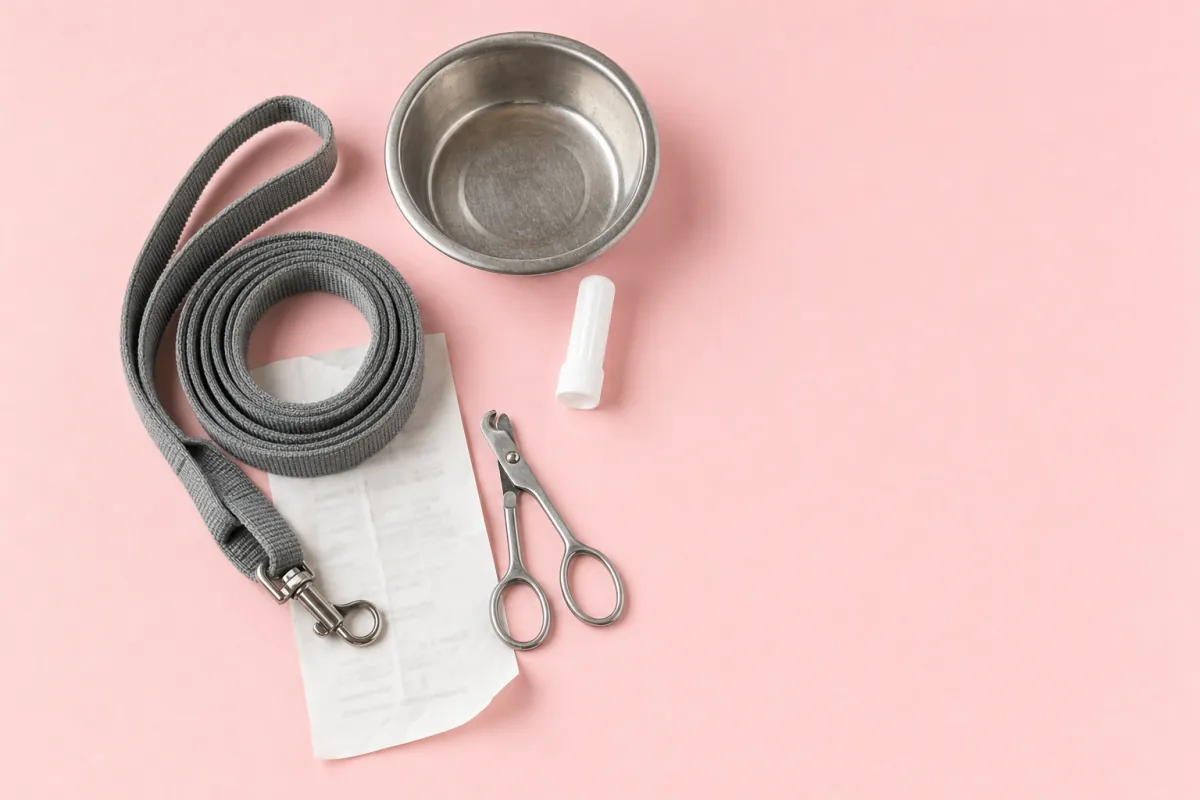
If I were choosing a vet before I needed one, I'd go on a dull weekday, read the certificate on the wall and ask what happens at midnight. All of that is easy at eleven in the morning. None of it is possible at a counter, holding a frightened cat in a towel.
The order I'd do it in, while nothing is wrong
Start with the wall
The Veterinary Surgeons Act 1974 has a rule I find oddly useful. A vet in private practice has to display a current annual practising certificate "in a conspicuous place" on the premises, and it runs out each 31 December, so the year on it tells you something.1
The section speaks of the certificate issued to each vet, so I read that as one per vet, not one per shop. I'd ask who'd actually be treating my animal and look for that name. A vet with several addresses keeps the original at the main one and a certified copy at the rest.1
The paper covers the place as well as the person. Before issuing it, the Act has the council satisfied that the premises and conditions are suitable, and it allows for inspectors.1 I couldn't find how often anyone inspects, so I wouldn't lean on that.
There's supposed to be a second check. The registrar must publish a yearly list of certificate holders in the Gazette, and being missing from it counts as first-glance evidence that someone isn't authorised.1 I couldn't find a public search page for that list that would open for me, so I won't promise you one.
The midnight question
This is the one I'd ask first at the counter: if my dog collapses at two in the morning, what do you want me to do?
I'd be happy if someone's on call. I'd be just as happy if they're shut at night and can name the clinic they send people to. I'd save that number and find out how far away it is while I'm calm.
I don't have a reliable figure for what a night visit adds to a bill, so I'd ask that too.
What a fair price looks like
I can't tell you, and I don't think anyone can. The Star reported in 2024 that pet owners were asking why bills differed so much between clinics, and their complaint was that "there is nothing that controls the cost of veterinary care".2 The Malaysian Small Animal Veterinary Association does have a pricing guide for members, but one of its own council members said it "would still not help much", since not every vet belongs.2
So all I have is voices. One owner told The Star that she'd take at least RM500 with her, even for a general check-up.3 Someone from one animal shelter said other vets could cost three to four times more, though that shelter's panel vet gives it subsidised rates, so it isn't a fair fight.3
Two people aren't a survey. So here's what I'd do instead:
- Ring a few clinics and ask each the same dull prices: a consultation, a vaccination, neutering.
- Treat the answers as a feel for the place, not a ranking.
The usual instinct is to go cheapest, or to assume the dearest must be best. I wouldn't do either, because the association's president puts the gap down to "the unequal standard of veterinary practices".2 A former senior deputy director of the Veterinary Services Department pointed to salaries, rent and utilities.2
So a low price could be a short examination, and a high one could just be a nice shopfront, and the number alone won't tell you which.
Read the bill before there is one
I'd ask two things while nothing is wrong. Do you give an estimate before treatment, and will you ring me before you go past it? I'd expect a range, because nobody knows what's inside the animal yet, and I'd be wary of anyone who'd give me one exact number before looking.
Then I'd ask what a bill looks like. Separate lines for the examination, drugs, tests and days in the ward are something I can ask about. One number at the bottom isn't.
Some odd-looking lines are honest. An unnamed senior vet told The Star that drugs not registered here get ordered from Singapore, with transport of up to S$150 a trip.2
Someone at a shelter also said "some vets also charge arbitrary consultation fees".3 Both can be true, and an itemised bill is how you'd tell them apart.
When I'd walk away
- No certificate on show, and no clear answer when I ask about it.
- Medicine handed over with no real look at the animal. The association's president raised that one himself, about practices he called "one-man shows where medicines may be dispensed with little or no examination".2
- No range at all for something that isn't urgent.
- No idea what happens at night.
I wouldn't walk away from a small clinic, a shabby waiting room or a vet who says "I don't know yet". That last one would make me like them more.
It helps to know where a complaint goes. The Act gives the council disciplinary power over registered vets, for "infamous conduct" among other things, and it can reprimand, suspend or strike off.1 Prices are another matter: an unnamed department official said in 2024 that "we can only control the pricing if laws have been passed".2