What a bicycle shop lives on once the panic buying stops
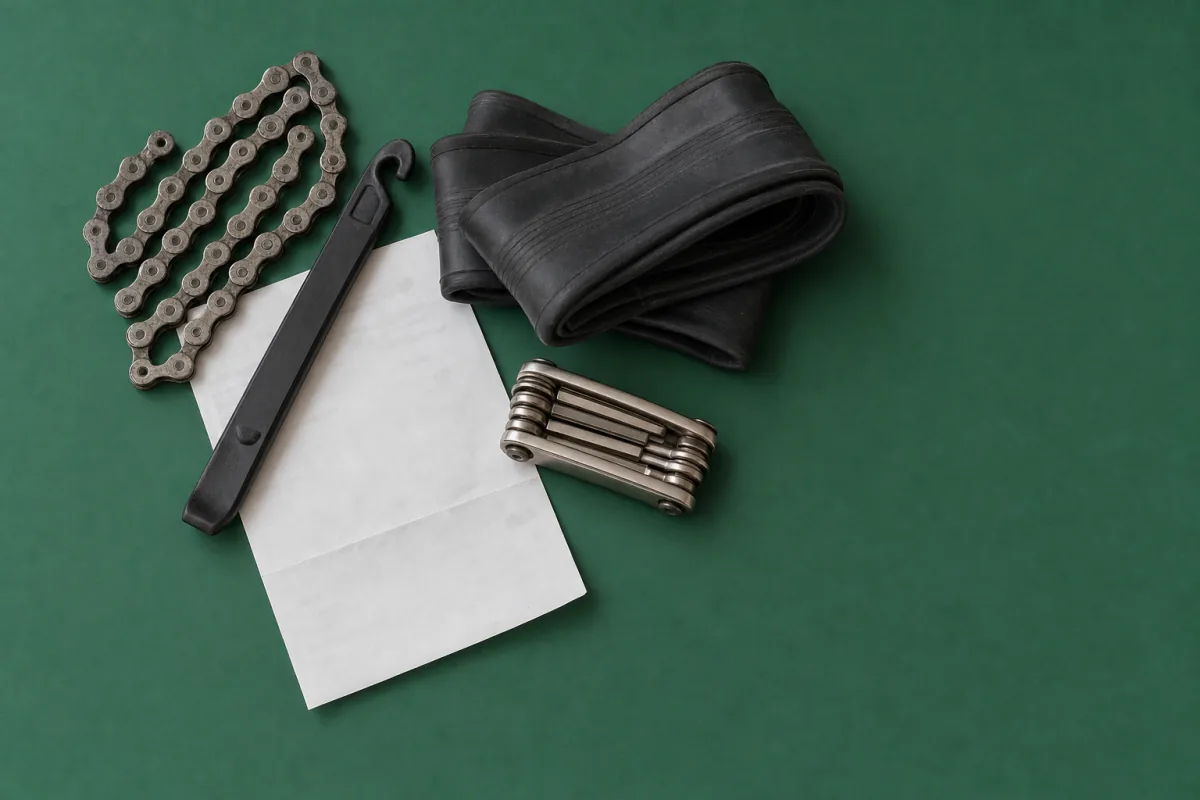
Mostly it lives on what happens to a bike after it's sold: the chain, the brake pads and an hour of someone's time. I have to borrow that answer from America and Britain, because I don't have one Malaysian shop's figures.
So hold this as a good guess with foreign evidence. I'll tell you which parts are which.
The boom, as far as anyone counted
The easiest place to see Malaysia's boom is Carousell. Its figures, as Lowyat.NET reported them, had almost 18,000 bikes sold here through its app in 2020, second only to Hong Kong among the three markets it compared.1
The same piece passes on one retailer's claim of a 300% jump during the conditional MCO.1 That's one shop on its own good months, relayed twice, so I'd only read it as "busy".
The number I like is quieter. About 76% of those Carousell sales were second-hand.1 Of course they were, given where they happened, but that's a lot of bikes whose new owner may never have set foot in a shop, and who'll need one the first time the gears slip.
Then the hangover
I don't have a Malaysian figure for what came after, so I can't tell you how it went here. Abroad, it's easier to see.
Escape Collective, introducing a series on the trade in 2024, called the boom unprecedented and wrote of "massive inventory overruns at bike shops".2 Halfords, the British chain, said in its 2024 results, citing the Bicycle Association's count, that UK bike volumes sat about 30% below pre-Covid levels, and that promotional selling rose by a third in the second half.3
That's a big British chain with a motoring arm, and nobody's idea of a shop in Bangsar. But if everyone holds too many bikes, I'd expect someone to be on sale, and I've already had my say on what a long sale does to a tag.
Why the bike was never the point
The odd thing is that the whole bike looked thin even before all this. A 2014 Motley Fool article, using American dealer association figures, put the gross margin on a typical bike at 37%.5 It also quotes an outside estimate that a shop needs 42% across its sales just to break even.5
The association's own break-even is lower, about 1.6 points above that bike margin, so the bike alone falls short either way.5
Gross margin against break-even, American shops, in per cent
So by those numbers, a shop that only sold bikes wouldn't clear its costs. The gear makes up some of the gap, and the article says the repairs do the rest over the years you own the thing.5
So how much is repairs, really?
Less than the line on this post suggests, if you count by sales. David De Keyser, who ran bike shops for 28 years and now advises retailers, in an opinion piece, puts labour at about 10 to 15% of a typical shop's sales.4 With parts added, he says 20 to 30%.4
A typical shop's sales, my rounding of one adviser's estimate
He doesn't say where that typical shop is, though the magazine is American. He also says that labour share has climbed for most shops since 2019, which means through the boom and out the other side.4 That's the piece of this I find most convincing.
He also notes that service-centric or service-only stores get much more of their money this way, and I can see the appeal.4 A shop with a bench and a few bikes on the wall has much less stock to mark down when the market goes soft, though it has nothing big to sell the customer who finally wants a new one.
The older article has the same flavour. At the most successful American shops, it says, maintenance and repair were about 11.4% of revenue, nearly twice the average shop's.5 It's a different measure from a different decade, and I can't tell you whether repairs made those shops good or good shops got the repairs.
Does it pay the rent, then?
On that article's numbers, rent, maintenance and utilities took 8.3% of an average store's spending.5 Set De Keyser's labour share beside that and the line isn't silly, though I'm pairing two sources, measured against different totals.
Here, I'm guessing
A bench hour in Malaysia surely bills for less than an American one, so I'd guess labour matters less here and parts matter more. I could be wrong. What would change my mind is one Malaysian shop's till for a slow year, and I'd like to see it.
The idea I'd take from all this, if I had a shop, is about the bench. De Keyser's view is that shops underprice this work and should test a higher price before assuming nobody will pay it.4 A survey he quotes has hourly rates up 22% since 2019, though he doesn't give its size.4
I think that's worth trying, because a bench is the one part of the shop that doesn't need anybody to want a new bike.
where I looked
- Lowyat.NET, Malaysia second biggest market for bicycles on Carousell, 2021 lowyat.net
- Escape Collective, How did the bike industry get into such deep trouble?, 2024 escapecollective.com
- Halfords Group plc, Unaudited Preliminary Results, Financial Year 2024 halfordscompany.com
- Bicycle Retailer, Retail 101, tips and procedures for a profitable service department, David De Keyser, 2024 bicycleretailer.com
- The Motley Fool, Can local bike shops survive?, 2014 fool.com